The Results Speak for Themselves
At JLC Services Inc., we track clinical outcomes across every patient we treat. The data below reflects real results from real people — verified through validated clinical assessment tools and collected across thousands of treatment cycles.
Data derived from internal clinical outcome tracking across programs operated by JLC Services Inc. Assessments conducted using validated clinical scales. Individual results may vary. This data is not intended to diagnose, treat, or guarantee specific outcomes.
What is eTMS?
eTMS is a highly customized use of Transcranial Magnetic Stimulation or TMS, based on sophisticated diagnostics. It is a non-invasive, painless, and drug-free option for the treatment of a wide range of neurological conditions.
eTMS protocols start with a quantitative EEG or qEEG. The qEEG allows us to see patterns of dysfunction that identify varying disorders of the brain, such as learning and behavioral issues, emotional disorders, brain injury, and others. The qEEG done on each patient provides us with a map that guides each individually tailored treatment.
The equipment used for treatment with eTMS is FDA-cleared. It generates magnetic waves that allow us to gently stimulate specifically targeted areas of the brain. eTMS treatment protocols have seen some incredible success in improving conditions such as Post- Traumatic Stress Disorder (PTSD), Traumatic Brain Injuries and Concussions, Depression, Anxiety, Sleep Disorders, and many more.
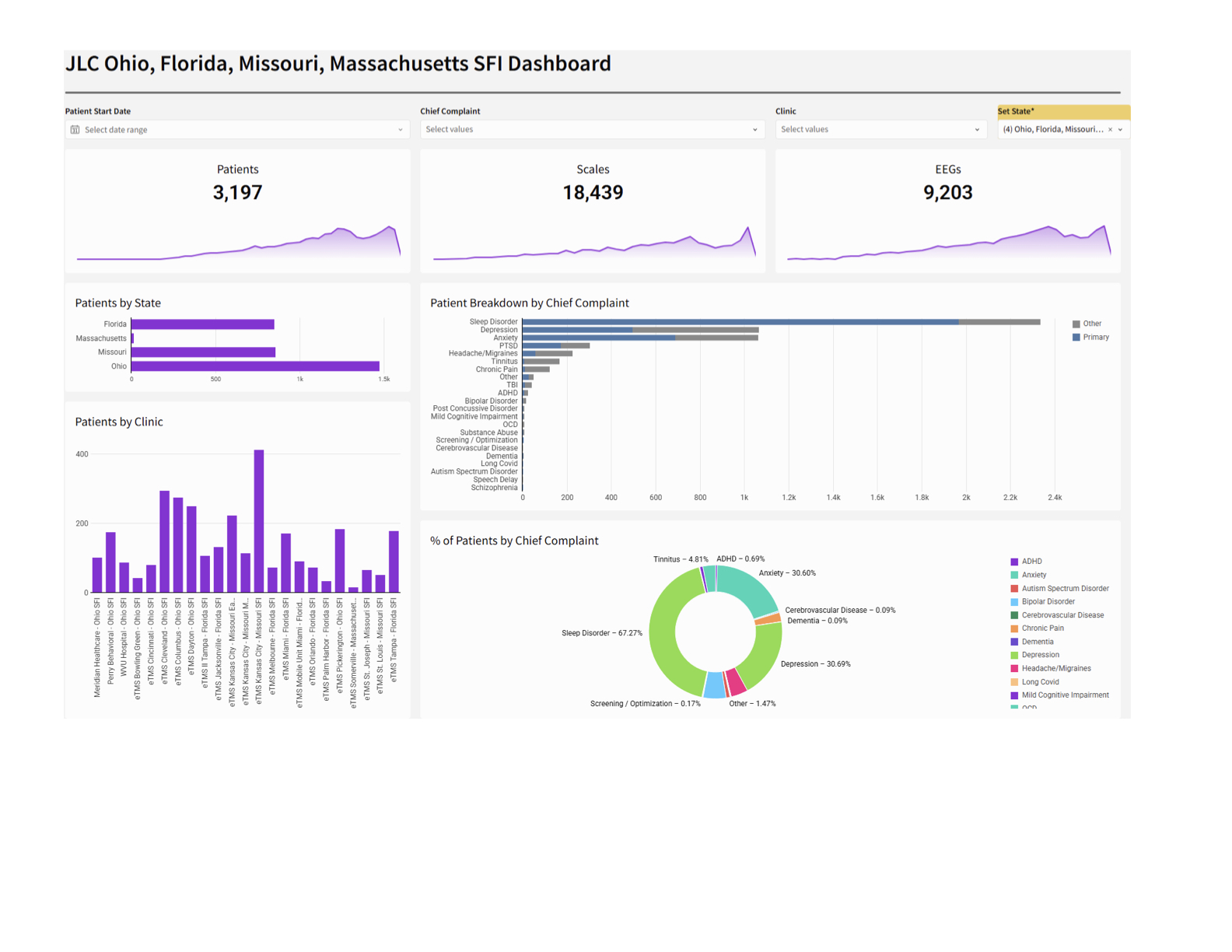
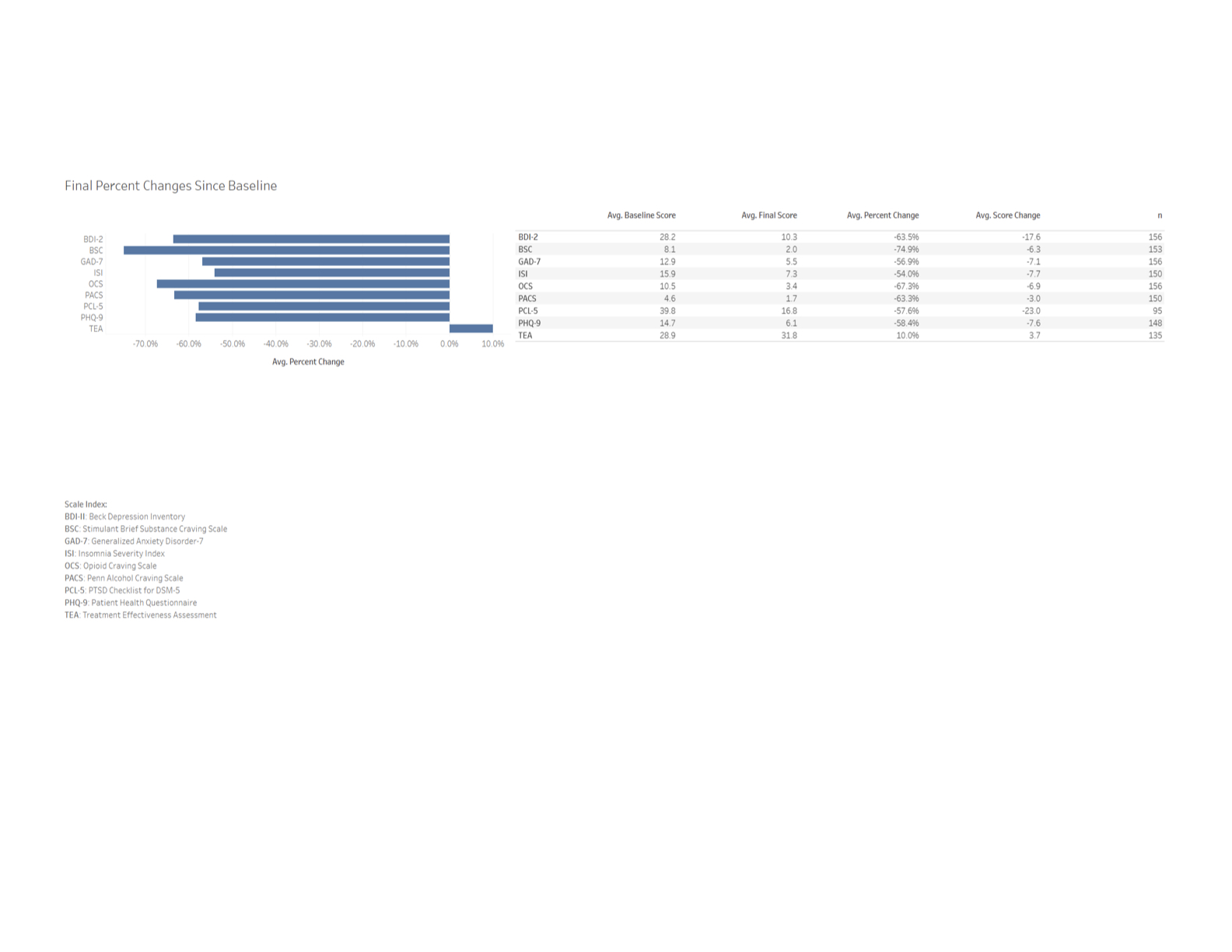
Results of eTMS patients as of April 2026
This dashboard summarizes outcomes for 3,158 patients treated across clinics in Ohio, Florida, Missouri, and Massachusetts, representing more than 18,000 symptom assessments. Most patients sought care for sleep disorders, depression, anxiety, and PTSD, with sleep issues being the most common concern. The data focuses on patients who began treatment after initial assessment and completed weekly scales, allowing for meaningful tracking of change over time.
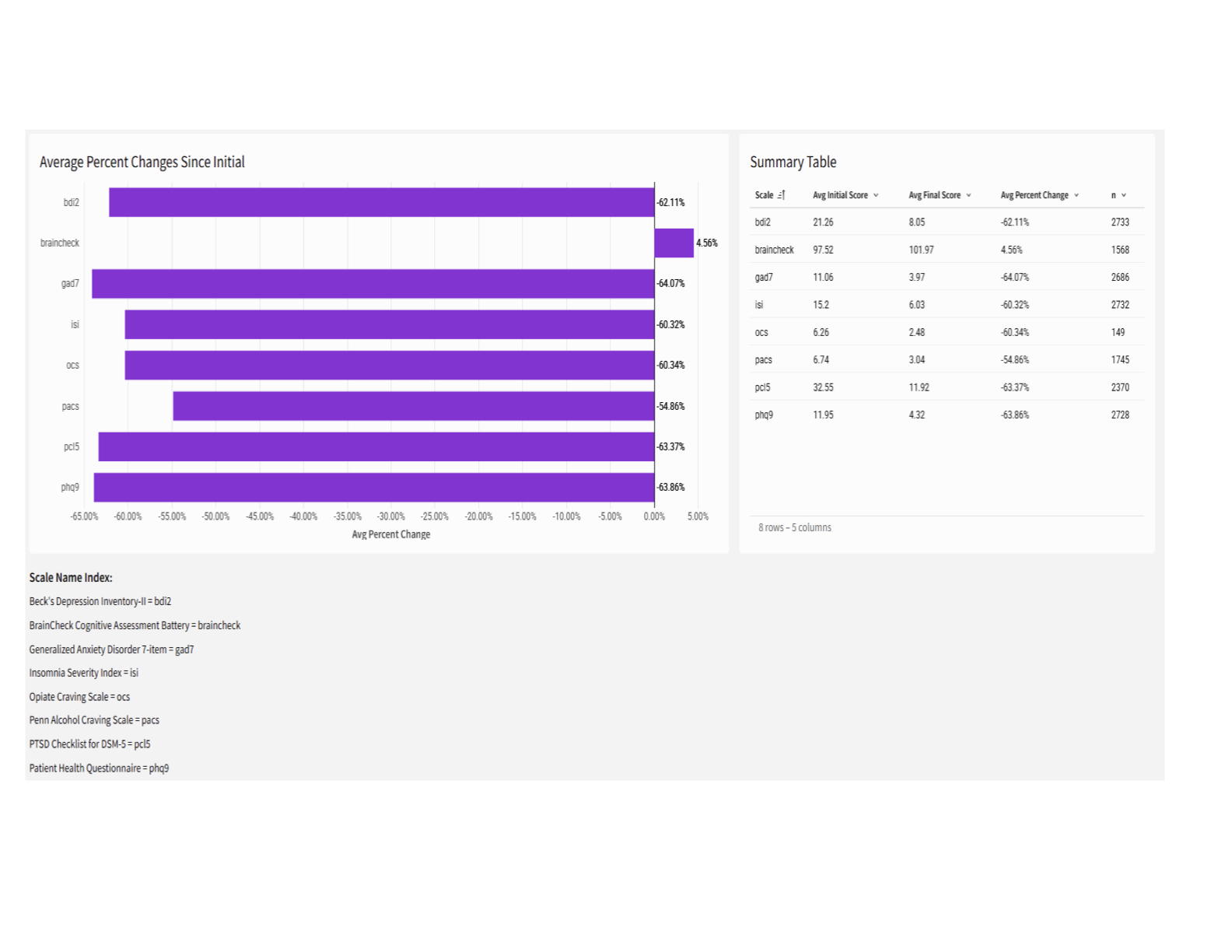
Overall, patients experienced large and consistent improvements across nearly all measured areas. On average,
symptoms of depression, anxiety, sleep disturbance, PTSD, and substance cravings decreased by roughly 55–65%,
meaning most patients cut their symptom severity by more than half. Cognitive performance scores showed a small but
positive increase, indicating improved mental functioning. Taken together, the results suggest that patients not only felt
better, but experienced clinically meaningful improvements across multiple aspects of mental and neurological health.
Results of Opioid, Fentanyl, and Other Substances Pilot as of April 2026
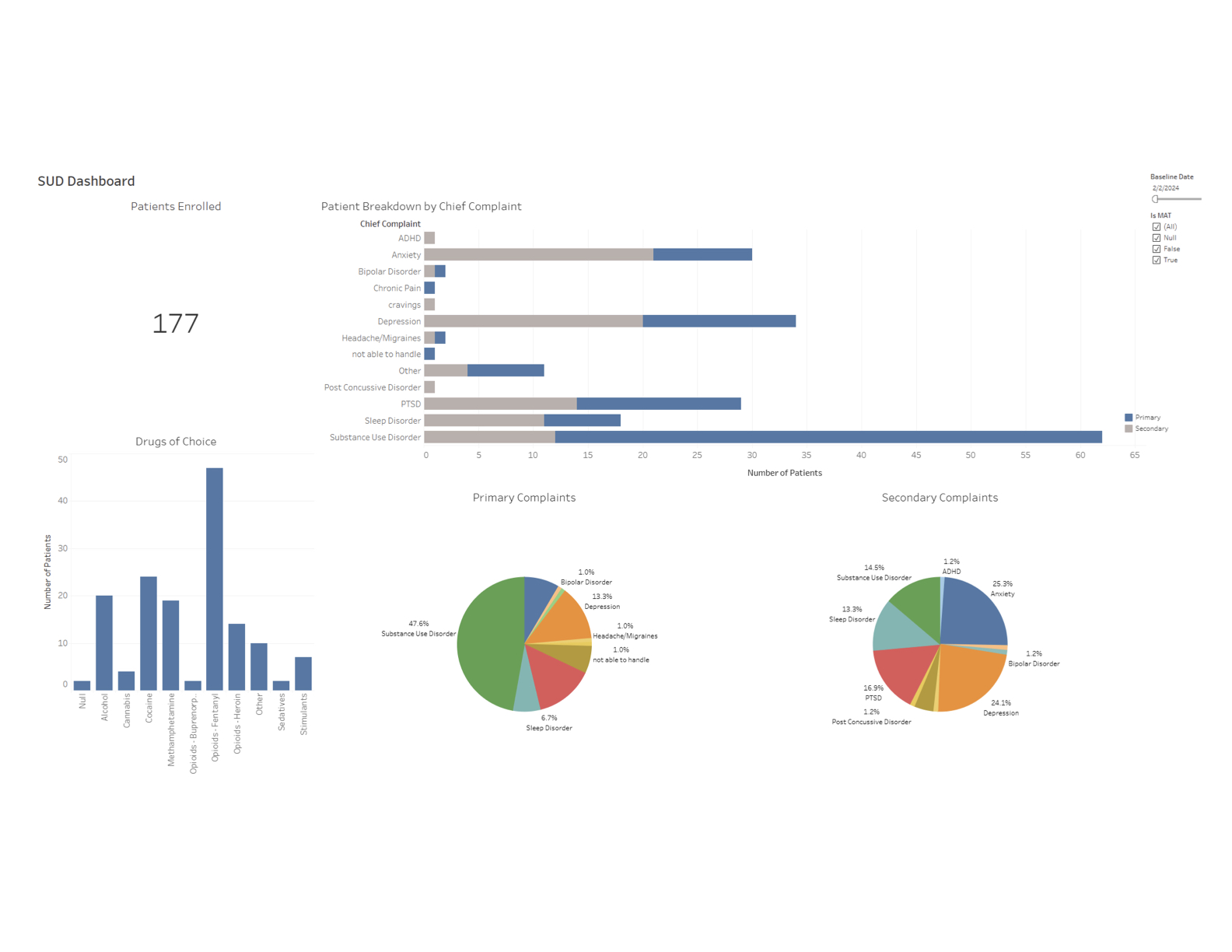
In March 2024, JLC Services, Inc. launched a pilot program at two Ohio locations to evaluate the use of eTMS as an innovative treatment approach for Substance Use Disorder (SUD). Building on previously observed improvements in alcohol and opioid craving measures among our Ohio eTMS patients, we anticipated similar benefits for individuals facing addiction challenges.
The results have been overwhelmingly positive. Patients have reported reduced cravings, improved sleep, enhanced overall mood, and stronger engagement in their treatment—highlighting eTMS as a promising tool in comprehensive addiction care.
Ready to experience results like these?
Whether you’re a veteran, first responder, or someone looking for a new path forward — we have a program for you.
eTMS Ohio & eTMS Florida — State-funded, no-cost treatment for eligible veterans, first responders, and law enforcement. Visit etmsohio.com or etmsflorida.com.
D2 Human Performance — Open to all individuals. Insurance, cash pay, and payment plans available. Visit d2hpcenters.com.
Brain Treatment Center Fayetteville — Personalized MeRT therapy in Fayetteville, NC. Visit braintreatmentfayetteville.com.
Not sure where to start? Contact us and we’ll help you find the right path.